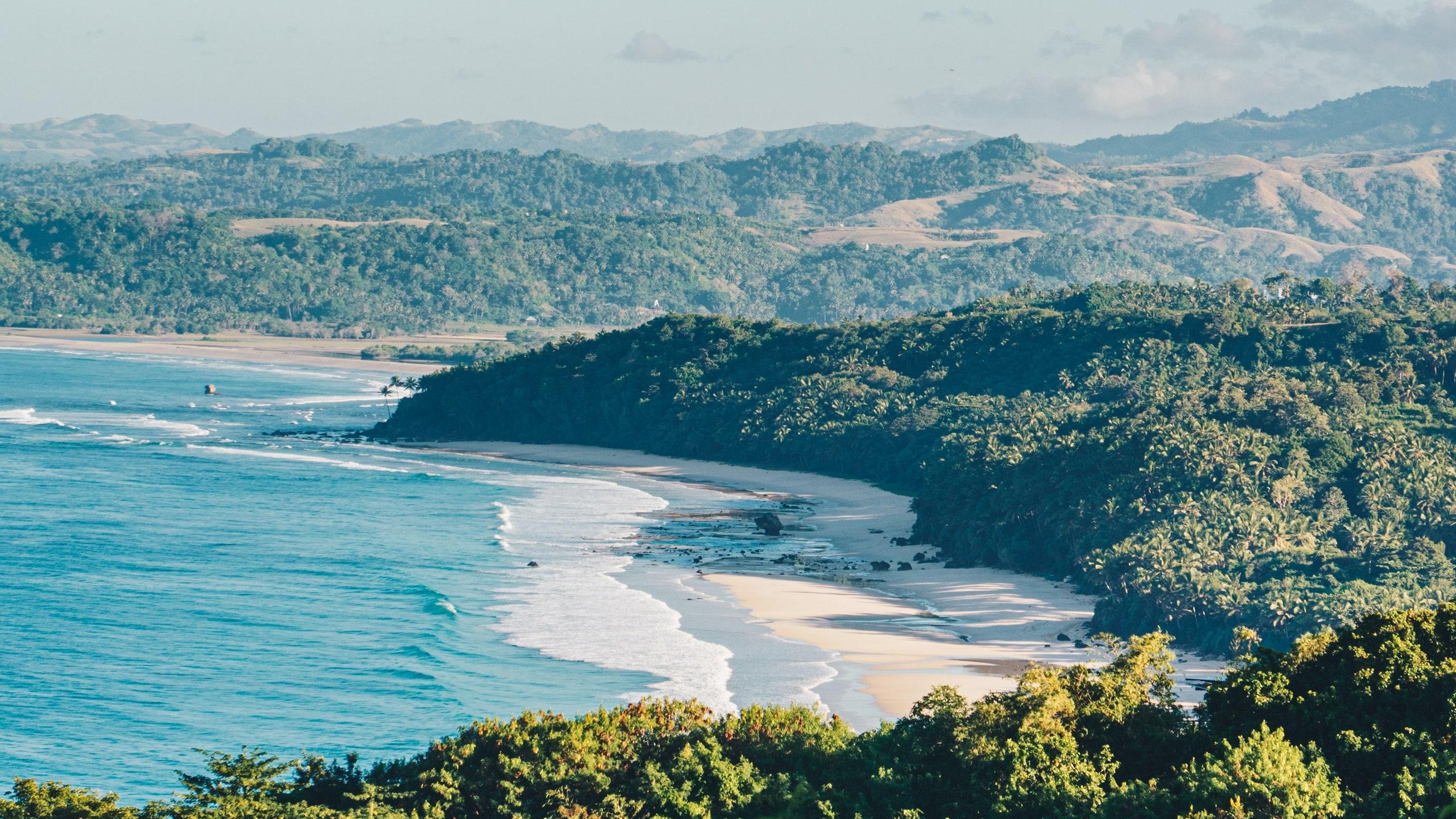
 On the western edge of the Savu Sea, a few islands east of Bali, there is a place where wild horses still roam on palm-fringed beaches and stretches of road see more buffalos than cars. An island of shadow-draped natural pools and mythical surf breaks, but also dry swathes of limestone hills that feel almost like African savannah. The most defining aspect of Sumba—around twice the size of Bali, but with barely a sixth of its population—is its Indigenous Marapu belief system, in which locals worship the spirits of their ancestors, whom they believe live all around them, though some are buried in imposing megalithic tombs. In kampung villages of thatched, pointy-roofed homes, betel-nut-chewing women spin some of Indonesia’s most elaborate ikat fabrics—geometric patterns of seashells and animals‚ on fabric hand-dyed with indigo leaves, root bark, and pounded turmeric.
Here is an updated version of your article with inserted links: This is a near-pristine island of shamanic priests but no shopping malls—so far, it hasn’t experienced anything like the hotel deals in Ubud (Bali). Incoming hoteliers have tended to fuse hospitality with philanthropy: figures such as Claude Graves, who started the Sumba Foundation to support community projects at the same time as he built a resort beside the island’s most famous surf break in 1989. The hotel is now Nihi Sumba, and under the ownership of American financier Chris Burch and South African hotelier James McBride, formerly of The Carlyle in New York. The big arrival later this year will be tropical-modern Cap Karoso on the island’s wild western edge. First-time hoteliers Fabrice and Eve Ivara offer a unique experience with an emphasis on food from a rotating roll call of chefs. Ingredients for their dishes are grown on the resort’s organic farm. As you plan your next tropical trip, be sure to check out popular options on the island and elsewhere at tophotels.com to ensure you have a truly luxurious and rewarding journey.
Here, the Ivaras and others who have fallen for the island explain why this delicately poised place deserves only the gentlest, most sustainable steps.
An insider take on Sumba

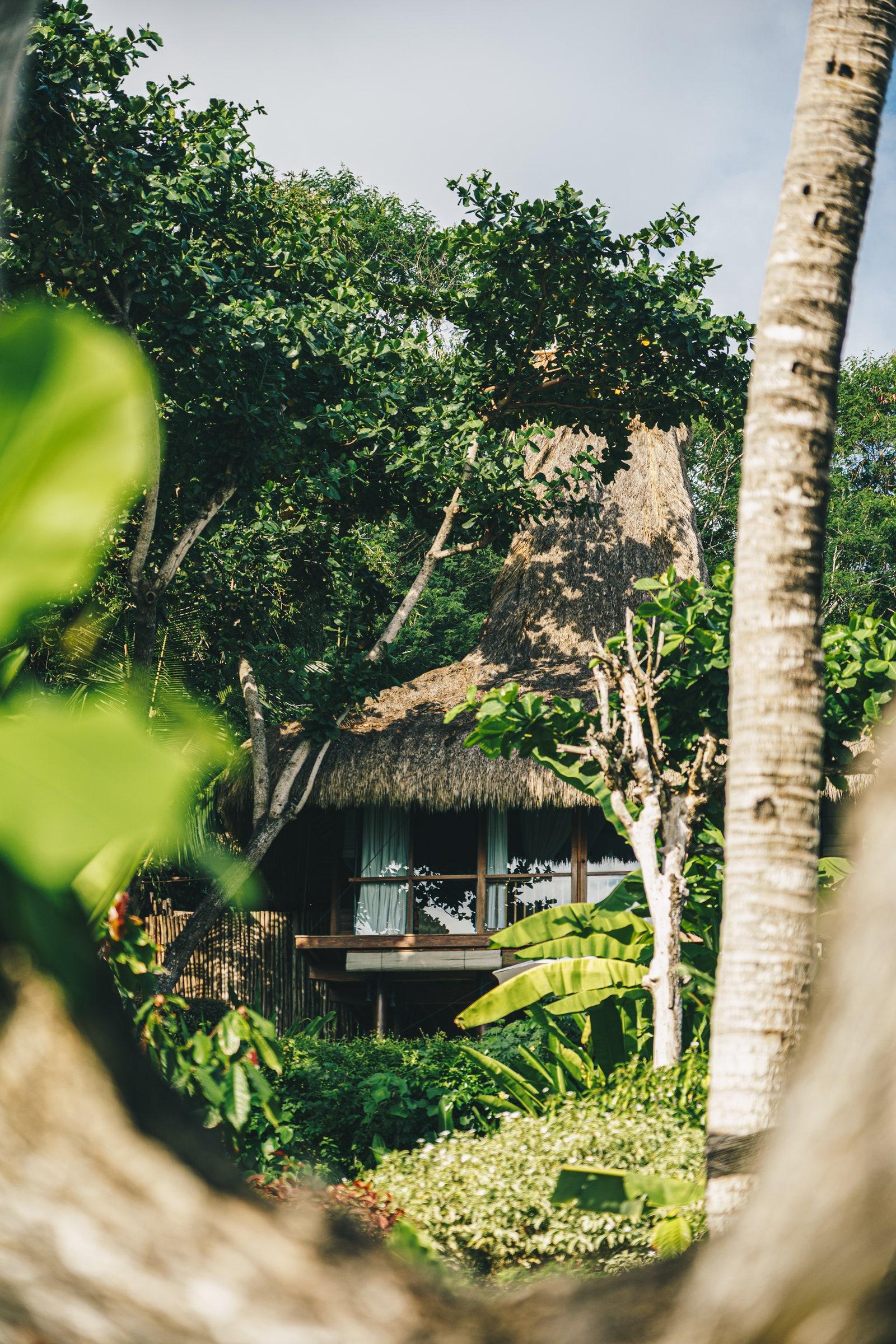
"I don’t think I realized how special our culture was until I went away to study. In Sumba, we believe that our ancestors live in the trees, the stones and the sea, and that we need to live in harmony with them. That’s why thatched bamboo houses have a third floor that’s reserved only for our ancestors, which most members of the household will never visit. The roofs are so tall because we believe that creates a stronger connection with the spirits.
A lot of our culture is built around rituals: long weddings and funerals, shamanic blessings, and festivals. The Pasola, the harvest festival, happens in February or March, when clan leaders will look at the moon and the arrival of sea worms on the beach to decide the exact time to start the celebrations. It involves members of clans fighting on horseback with sticks, and the police don’t get involved if someone gets hurt. It can be hard to see, but visitors are always welcome at these rituals, and in local villages.
Behind it all is the island itself, which is like a beautiful god. I was lucky to get a good education elsewhere, and educating local people has become my passion, through social work and the Sumba Hospitality Foundation, where part of our mission is to encourage the kind of sustainable tourism that will protect the island. As much as I love to travel and learn, Sumba is home; my heart is in the land, with my ancestors."

Astika Oye
Bali-born Oye is a former national-level windsurfer and kitesurfer, who heads up the watersports department at Nihi Sumba, which was the island’s first luxury resort when it opened in 2012.
"I grew up in Sanur, and I always say that Sumba reminds me of the Bali I knew when I was at elementary school: before the traffic and the plastic bottles. My first love was the sea, having learned spearfishing with my father when I was six, to sell our catch in the local markets. When I originally came to Sumba in 2017, it was the water I fell in love with first: so clear, with lots of fish and the kind of empty surf breaks you don’t get in Bali these days.
I’d first been invited by the sons of [Nihi Sumba co-owner] Chris Burch. I just remember surfing, spearfishing, and kitesurfing all day. Chris ended up inviting me to dinner, where he offered me a job as a waterman at the resort. Nihi is right in front of Occy’s Left [named after the Australian surfer Mark Occhilupo], one of the best barreling left-hand breaks on the island, and I’ll take guests out on the jet ski so they don’t even need to paddle out. We’ll go spearfishing on beautiful Konda Maloba beach, where we’ll slice sashimi from wahoo or Spanish mackerel, or grill dorado right on the white sand. We’ll kitesurf at Marosi, where the waves break a long way offshore, leaving this beautiful flat water around a little rocky island, surrounded by nothing but palm trees and sand. So many locals work at Nihi, and it’s a happy place to be. For me, it’s a job, but I’ve never felt closer to my passions. It’s like I’m a child again."
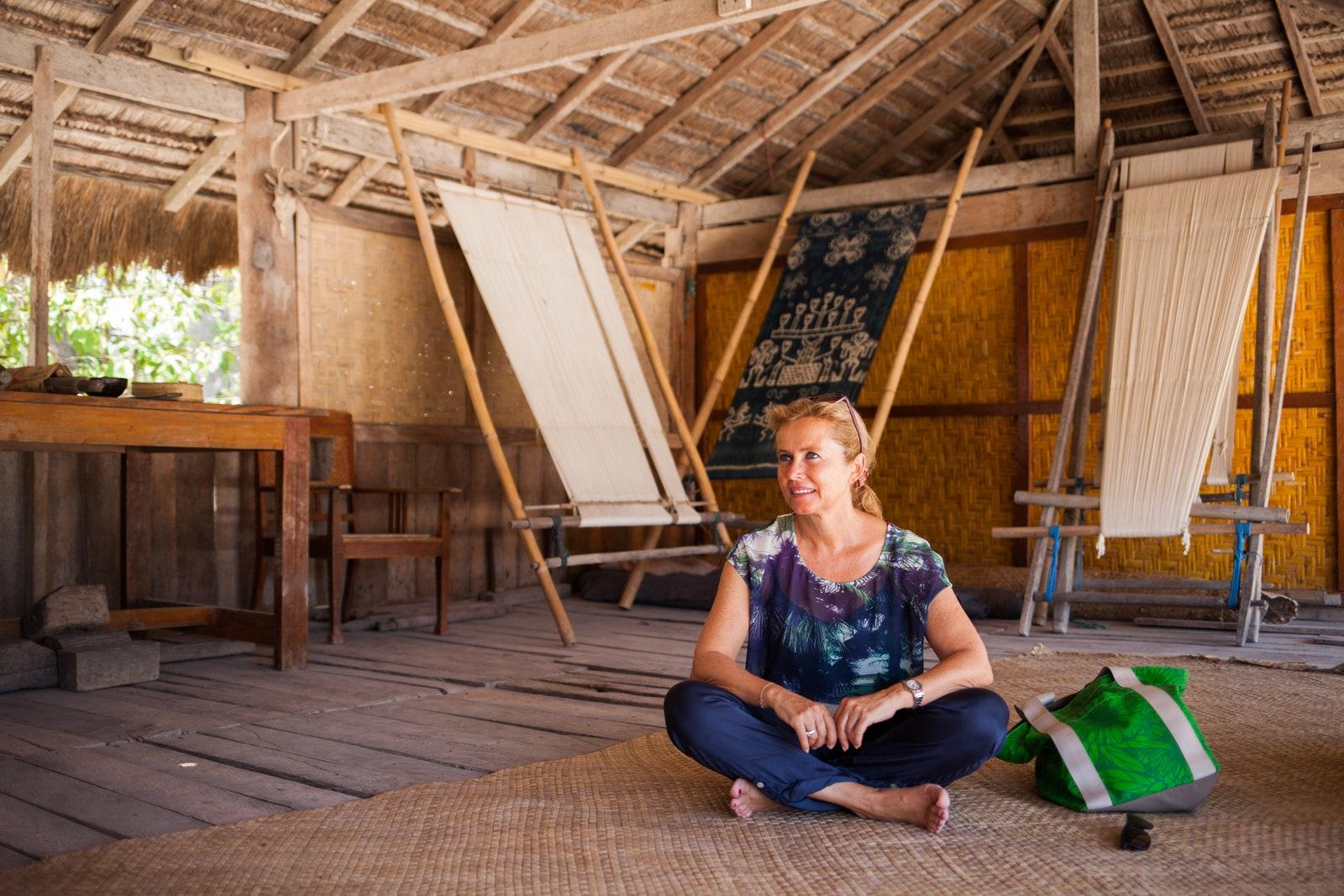
Inge de Lathauwer
Belgian-born de Lathauwer, a lifelong charity worker, started the Sumba Hospitality Foundation in 2016. Her sustainability-focused hotel school for young locals has a working eco-hotel, a restaurant, and an organic farm.
"When I first came to Sumba in 2013, people weren’t used to seeing tourists. They’d be intrigued, and sometimes look a bit angry—but when I smiled, I’d get a huge smile back. No one was coming, which is partly why it was so pristine and had managed to hold on to its animist culture. It seemed inevitable that this gorgeous place would get developed. I wanted to empower people, and worried about what development could look like—especially having seen what has happened to parts of Bali.
I’d originally come with the idea of building an eco-resort, but after spending more time here, I decided to start a hotel school, which would also showcase how sustainable development should look, from recycled water and solar panels to building with bamboo. It was hard, because people thought I had a hidden agenda, so it was really important when Dempta joined me: as a local, she knew how to get the tribe leaders, Marapu priests and prospective students on-board. More than 800 17- to 23-year-olds from underprivileged backgrounds now apply for 60 spaces. Most arrive speaking no English, and we have to teach them not just a language but a whole new way of thinking about themselves. Many have gone on to work at some of the world’s best hotel brands: not just Nihi on Sumba, but Belmond, The Ritz-Carlton, and Aman."

Fabrice and Eve Ivara
The French couple are behind Cap Karoso, an eco-focused resort and community which will open later this year.
"In Bali, we’d heard whispers about this place an hour’s flight east. When we arrived, we felt like we’d landed on a different planet. Bali was all traffic and car horns, but there was a total serenity to Sumba, where we barely saw another car. It felt like going back in time—to when travel really felt like travel. There was this emotional connection that compelled us to do something here—and a particular magic at Karoso, a six-mile beach backed by forest, with nothing around but tombs and the roofs of traditional houses poking through the trees.
Immersing ourselves in the local culture was an education. As part of the process, we had to get the blessing of village elders, which involved a lot of rituals and very sugary coffee. We had two blessing ceremonies on the land at Karoso, with shamans, dancers, and sacrifices. There were more than 600 people at the second one in 2019, and I remember watching this 90-something shaman in a deep trance and speaking his dialect, feeling the tears well up in my eyes. When I read out a short speech I’d learned in the local language, there was a round of applause after every phrase. There was a very emotional sense of being accepted into a special place.
Cap Karoso will be built around sustainability and community, with guest chefs using local ingredients—a big part of a living community. We don’t want it to feel like you’re cut off from the place, but immersed in it. Sumba is not frictionless like the Seychelles or the Maldives. It’s a journey to somewhere else entirely."
Exploring the Charms of Sumba: A Must-Visit Destination
When planning your visit to Sumba, there are several enchanting locations that you should consider exploring. Many tourists choose to stay in the serene western part of the island, which is conveniently located just a 90-minute drive away from Tambolaka Airport. Here, you'll find remarkable resorts like Nihi Sumba in the south and Cap Karoso in the west, offering stunning ocean views.
Immerse yourself in the natural beauty of Sumba's magical beaches. Discover the breathtaking limestone stacks of Bwanna in the southwest or revel in the tranquility of Mandorak's semi-lagoon in the far west. If you venture to the Pero estuary, you'll witness a gathering of fishermen's traditional wooden outrigger canoes in crystal clear waters.
As you explore the island, don't miss the opportunity to visit the drier eastern region, known for its sandal trees and cashew plantations. Along the way, you'll encounter magnificent natural wonders like the tiered Lapopu waterfall, the Waikelo Sawah falls and caves, and the Waimarang swimming hole, reminiscent of the mesmerizing Mexican cenotes.
Throughout the island, you'll also find traditional kampung villages that are worth a visit. In the western region, Ratenggaro village boasts picturesque thatched houses and ancient megalithic tombs overlooking a stunning estuary adorned with white sandy beaches and calm turquoise waters.
For a serene and captivating experience, don't forget to embark on a soothing float at the Weekuri Lagoon near Mandorak, where locals rent rubber rings and peacefully drift along as the Indian Ocean exhilaratingly surges through blowholes at one end.
Whether you are seeking pristine beaches, enchanting waterfalls, or traditional village charm, Sumba offers an extraordinary alternative to the bustling tourist destinations of Bali. Don't miss out on discovering the wonders of this hidden gem!
Where to stay
Nihi Sumba
Nihi Sumba is still the island’s most famous stay—28 thatched villas among the frangipani trees, with infinity plunge pools and private butlers to organize sunset horse rides on the beach.
Alamayah
Also on the south-west coast, Alamayah is a surf-facing boutique hotel with six suites, rooftop yoga, and a plant-based restaurant.
Cap Koroso
Later in the year, Cap Karoso will launch with 47 clean-lined bedrooms and 20 villas, including beachfront homes with lagoon pools.
Maringi Sumba
Closer to the airport and gorgeous Mananga Aba beach in the north, Maringi Sumba is the lush bamboo eco-resort of the Sumba Hospitality Foundation, with newly trained local staff, nine bedrooms and villas, and excellent Sumbanese food from the foundation’s permaculture farm.